
Making Tax Digital
Avona vs. the spreadsheet: is your current system ready for MTD in 2026?
ONLY£15A MONTHSpreadsheets can still work with MTD. Compare digital links, bridging software and bank-connected bookkeeping to find a simpler way to manage your records.
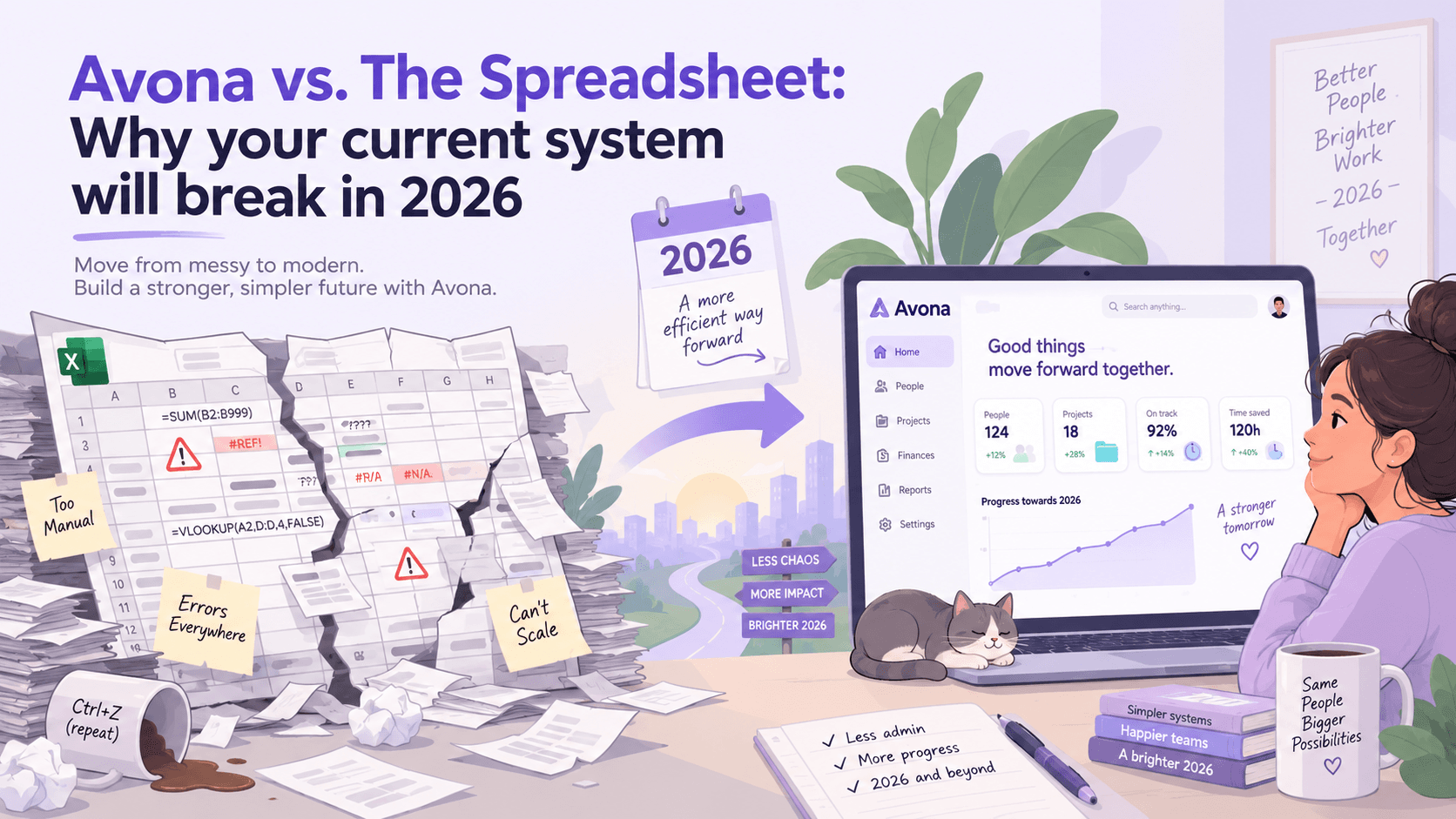
If you are an independent sole trader or a landlord, there is a good chance your business finances currently live inside a spreadsheet.
For years, spreadsheets have been a favourite for DIY tax preparation. They are familiar, flexible, and can help you get everything together for the January Self Assessment deadline. But Making Tax Digital (MTD) for Income Tax means it is time to check whether your setup can handle more regular reporting.
Your spreadsheet has not become illegal. The question is whether you want to adapt it with compatible software or move to a bank-connected tool that reduces the manual work.
What changed in April 2026?
The first MTD phase began on 6 April 2026. It generally applies if your combined gross self-employment and property income exceeded £50,000 in 2024–25, unless an exemption applies. Later phases bring more businesses into the rules.
If you are in scope, your system needs to support digital business records, quarterly updates and an annual tax return through compatible software. Waiting until January to pull everything together is no longer a workable reporting routine.
Read our 2026 MTD guide to check the rollout dates and qualifying-income rules.
What “digital links” actually mean.
The issue is not whether Excel can add up your expenses. It is how your records connect to the software that sends your submissions.
You can manually enter information from a receipt or bank statement when creating a digital record. MTD does not require every transaction to originate in an automatic bank feed.
Where your record-keeping and submission products need to transfer records, use the required digital links. Retyping totals or copying and pasting them between products does not provide that link. Suitable linked cells, imports or software connections can form part of a compliant setup.
HMRC’s digital-record guidance explains the requirements, including how to correct records.
“But I can use bridging software!”
Yes. Bridging software is a legitimate option for connecting spreadsheet records to HMRC submissions. If you like your spreadsheet and have a reliable bookkeeping routine, it may suit you well.
The trade-off is the work you still do yourself. Depending on your setup, you may need to enter transactions, maintain categories and formulas, and check that your spreadsheet works with your bridging product. Compare the features and costs of the whole setup before choosing.
If that already sounds like more admin than you want, an integrated tool is worth considering.
Avona vs. the spreadsheet: three practical differences.
1. Less transaction entry.
- The spreadsheet: You enter transactions or import bank files, then organise and check the records yourself.
- Avona: Connecting your bank through Open Banking brings transactions into the app automatically, reducing repetitive typing. You still need to review categories, check for missing items and include cash or other transactions outside connected accounts.
2. A clearer view of your tax position.
- The spreadsheet: You build and maintain formulas, or ask your accountant to help turn your records into a tax estimate.
- Avona: An estimated tax position helps you plan as your records develop. It is an estimate, not a guaranteed final bill: other income, reliefs and adjustments can change what you owe.
3. Submissions in your bookkeeping workflow.
- The spreadsheet: You use compatible bridging software to send your updates, following its template and digital-link requirements.
- Avona: You prepare and review your MTD updates in the app, then submit them to HMRC. Check the submission status afterwards and resolve any validation issues.
Ready to retire your spreadsheet?
The move to regular digital record keeping does not have to mean buying complicated software designed for a much bigger business. It means choosing a process you can keep up with throughout the year.
Avona strips away the jargon and gives sole traders and landlords a simple, bank-connected way to organise their bookkeeping. If you would rather spend less time maintaining cells and more time on your actual work, it could be your next step.
Happy with your spreadsheet? Check its connections and keep it working. Ready for a change? Explore Avona’s plans or talk to us.