
Making Tax Digital
Why Open Banking is the secret to zero-stress tax compliance
ONLY£15A MONTHUnderstand read-only Open Banking, Avona’s Finexer connection, transaction categorisation and the checks a bank feed cannot do for you.
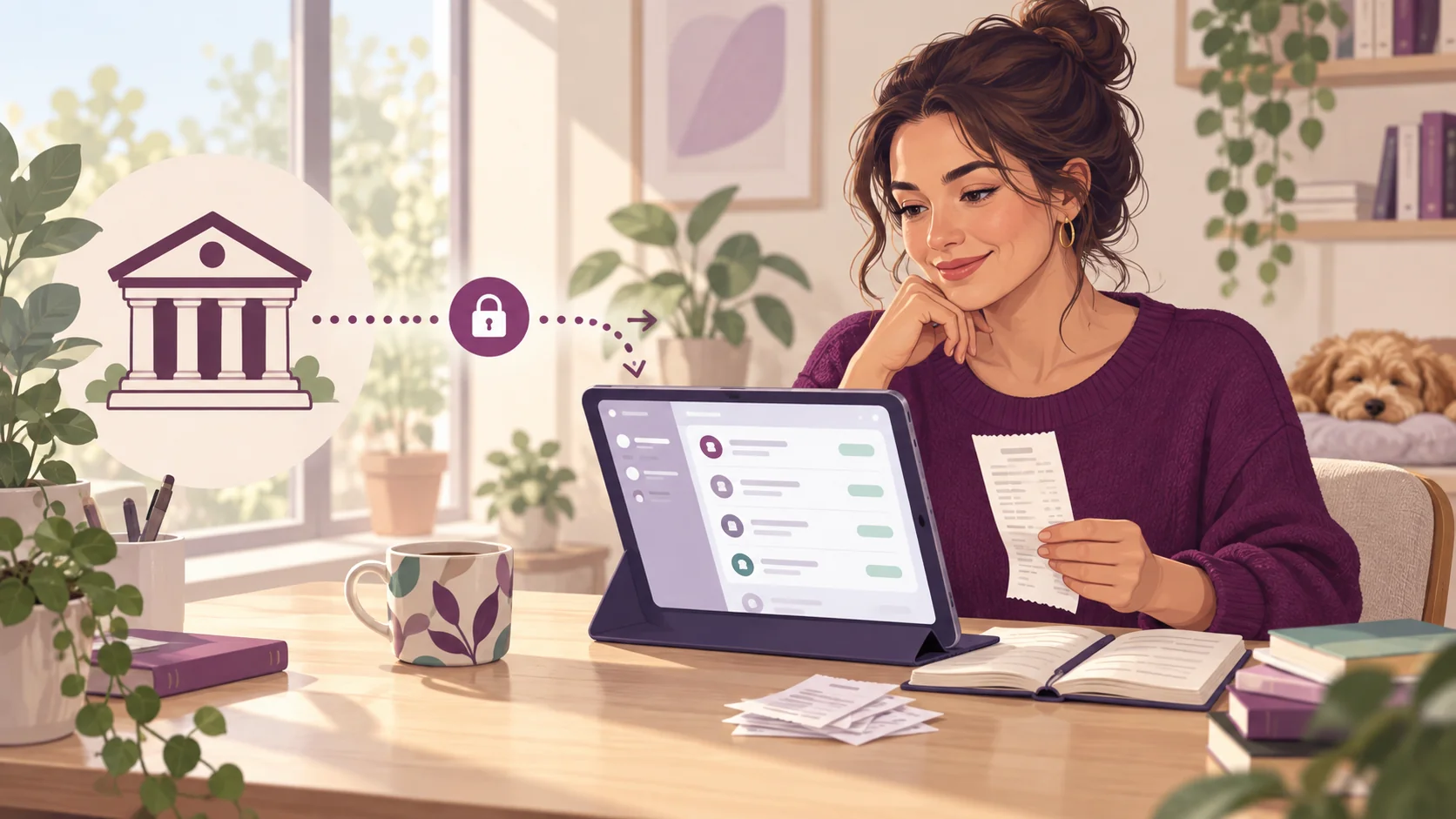
Most bookkeeping frustration starts before the tax calculation. It starts with finding the transactions: downloading another statement, working out whether a payment belongs to the business and typing something you have already entered somewhere else.
Open Banking can remove much of that repeated collection work. With your permission, a regulated service can bring account information into your bookkeeping software, ready to organise and review.
It cannot guarantee a stress-free tax year. It can give you a more reliable starting point, which is often what makes the rest of the process feel manageable.
What Open Banking means for your bookkeeping
A bank feed lets software receive information from the accounts you select, within the access you authorise. That information can include transactions and balances.
For a sole trader, it means customer payments and supplier costs can appear in the bookkeeping workflow without downloading and importing a fresh file each time. For a landlord, it can help keep incoming rent and property payments visible throughout the year.
The feed is a method of collecting data. Making Tax Digital does not require you to connect your bank: suitable imports and manual creation of digital records are also possible. HMRC describes these routes in its guide to choosing MTD software.
Choose the route that fits how you work and how comfortable you are sharing account information.
Is Open Banking regulated?
Account information services and payment initiation services are regulated activities under the UK Payment Services Regulations 2017. The Financial Conduct Authority explains that providers must have the relevant authorisation or registration and permission for the service they offer.
Before connecting, check the provider’s identity, its permissions and the consent information. A familiar trading name is useful, but the regulated legal entity may be the specialist provider behind the connection. Read the FCA’s account information and payment initiation guidance.
Avona’s published disclosure states that Avona Ltd acts as an agent of Finexer Ltd, FRN 925695, and that Finexer provides the Open Banking service. This distinguishes the bookkeeping product from the regulated provider. You can review the disclosure on Avona’s Open Banking page.
Regulation is an important protection, but it does not mean every application using bank information has identical permissions or security arrangements. Read what the actual connection is asking you to approve.
Read-only access and payments are different permissions
“Open Banking” is a broad term. Some services display account information; others can initiate payments with the appropriate consent.
Avona describes its bookkeeping bank connection as read-only. That account-information permission does not authorise Avona to move money or make payments from the account.
| Permission or step | What it means for you |
|---|---|
| Account information access | Selected account data can be read within the agreed scope |
| Payment initiation | A different service and permission, capable of initiating authorised payments |
| Bank authentication | You approve access through your bank’s own secure process |
| Withdrawal of access | You can stop the connection through the available consent controls |
Avoid interpreting read-only access as “no information leaves my bank”. Information does leave the bank for the purpose you authorise. The distinction is that reading account information is different from controlling your funds.
How a bank API differs from screen-scraping
An API is a controlled way for software systems to exchange information. In a typical Open Banking connection, you authenticate with your bank and approve the access requested. The bookkeeping app does not need you to hand over your banking password so it can sign in as you.
Older approaches sometimes relied on software reading the contents of an online banking screen. That is a different mechanism from using the bank’s dedicated data interface.
The practical reassurance is specific: use the genuine bank authorisation flow and inspect the permissions. Do not assume every service described as a bank feed uses the same method. Avona’s explanation of its connection process describes bank authentication and read-only access.
You may need to reconfirm consent or reconnect when the service asks you to. If a feed stops updating, investigate the gap instead of assuming that no transactions occurred.
What Avona AI does with the transactions
Once transactions arrive in Avona.app, Avona AI helps categorise them so they can be organised into the relevant bookkeeping and tax reporting groups.
This can remove repeated decisions about familiar payments, such as a regular software subscription or a recurring supplier. It also gives you an organised list to review, rather than a blank cashbook to fill in.
However, a merchant name cannot establish the business purpose of every purchase. A supermarket transaction could be personal shopping, cleaning materials for a rental property or a mixture of both. An online marketplace payment could cover almost anything.
Use suggested categories as assistance. Check unusual transactions, identify mixed spending and keep supporting documents. The test for claiming an expense comes from the tax rules and the facts, as explained in HMRC’s allowable expenses guidance.
Worked example: the feed sees £1,080, but the rent was £1,200
Helen lets a flat through an agent. Each month, the tenant pays £1,200. The agent deducts a £120 fee and transfers £1,080 to Helen.
The bank feed correctly imports £1,080. On its own, however, it cannot establish the gross rent and fee shown on the agent’s statement.
Helen’s records need to reconcile the £1,080 deposit with £1,200 rent and £120 expense. She should avoid recording the deposit as additional income after separately entering the gross rent.
The point is not that the feed failed. It accurately collected the bank transaction. The underlying commercial detail came from another source. HMRC explains the need to identify gross income and expenses in its digital records guidance.
What a bank feed will not collect for you
An account feed can only show information available through the accounts and access involved. Your records may also need:
- Cash receipts and cash purchases.
- Business spending through an unconnected account or credit card.
- Invoices and receipts explaining what a payment covered.
- Agent or payment-processor statements showing gross amounts and fees.
- Private-use allocations and other accounting information.
A transfer between two connected accounts needs care too. Seeing both sides does not mean you have earned income on one side and incurred an expense on the other.
These are reasons to review the records, not reasons to abandon automation. Good automation makes the remaining questions easier to see.
Keep the routine small and regular
Check the feed’s latest date, review the new transactions and resolve questions while you remember them. Keep the supporting evidence and periodically reconcile the records to the bank.
When the quarterly deadline approaches, you should then be reviewing a familiar set of figures. The submission itself can be a short step, although the total time will depend on your records.
Avona.app costs £15/month and combines bank feeds, imports and Avona AI categorisation. Explore the connection process, check your bank is supported and choose how you want to bring in your records.
Open Banking is useful because it removes repeated collection work. Your review supplies the business context that turns those transactions into dependable records.